BLOG
GHK-Cu Guides & Notes
Practical knowledge on GHK-Cu chemistry, sourcing, quality and formulation handling — written by specialists who work with copper peptides every day.
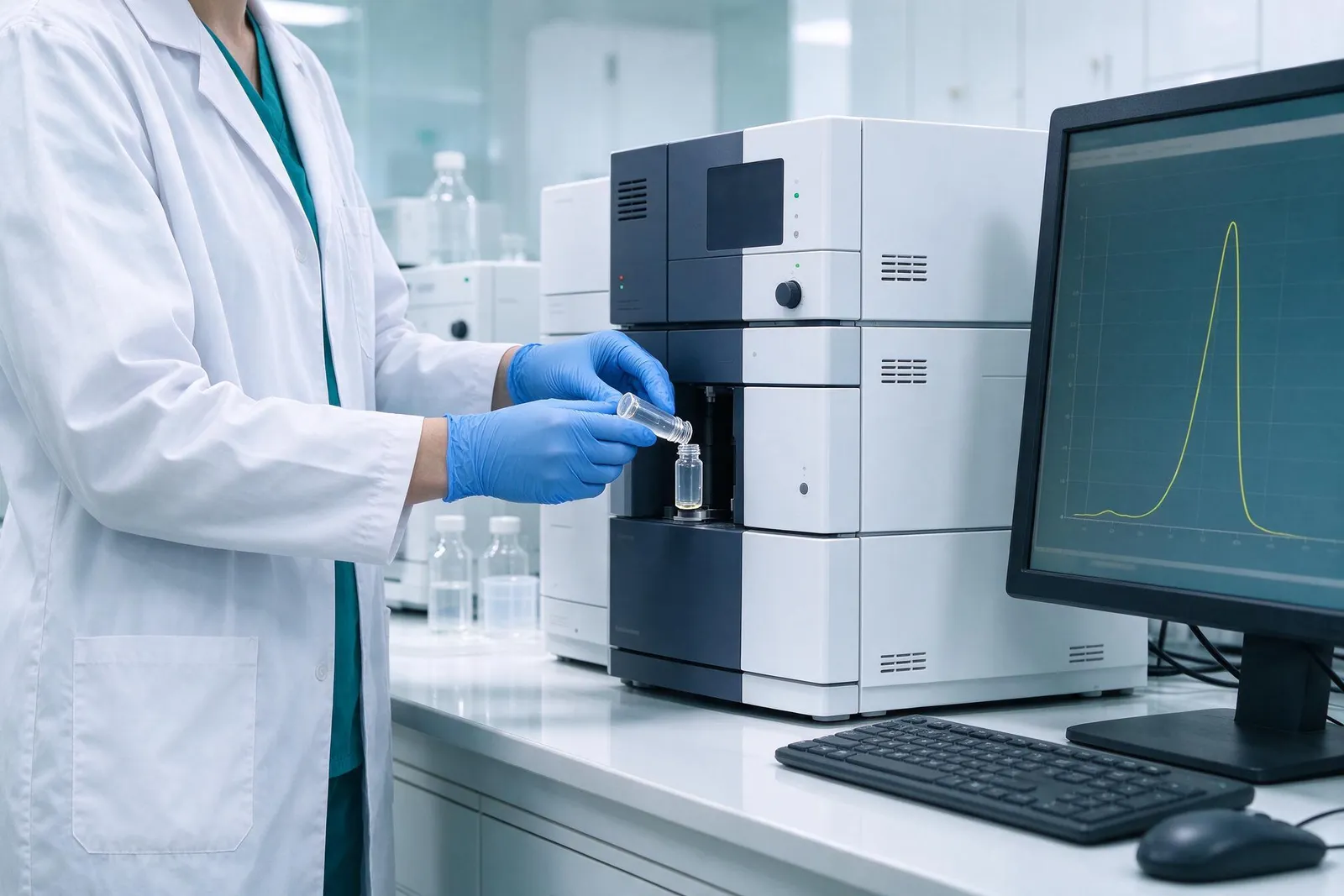
GHK-Cu CAS 49557-75-7 (Acetate) vs. CAS 89030-95-5 (Free Base): Technical Comparison for Formulators & Buyers
Side-by-side comparison of GHK-Cu Acetate (CAS 49557-75-7) and Free Base (CAS 89030-95-5): molecular weight, acetic acid content, aqueous pH buffering, Cu2+ stoichiometry, and global INCI compliance.
2026-11-10
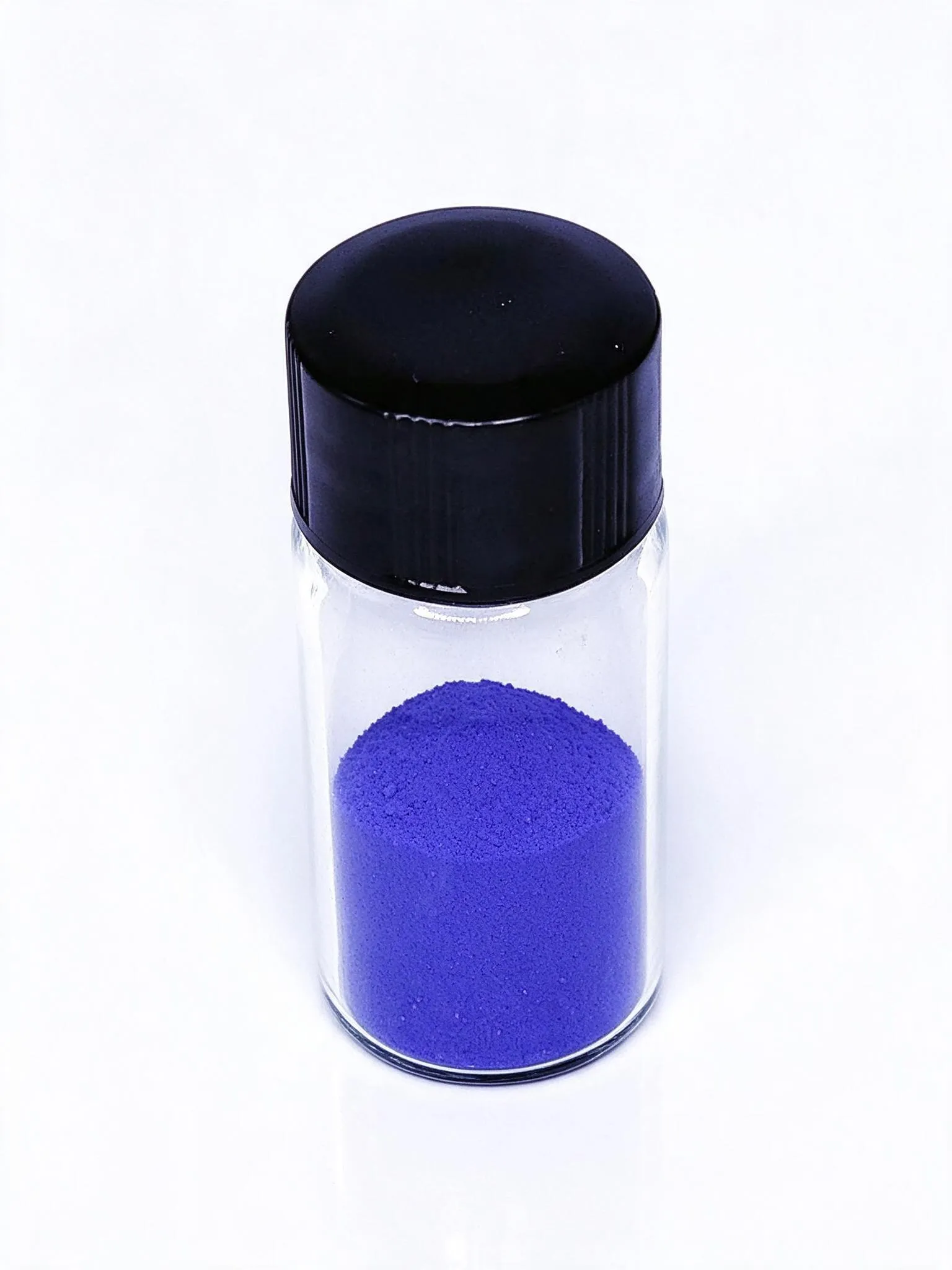
GHK-Cu Cosmetic Formulation & Stability Guide: pH Window (5.5-7.5), Chelator Incompatibility & Cold-Process Addition
Why do copper peptide serums turn green or lose viscosity? Master GHK-Cu formulation stability: pH 5.5-7.5 buffering, avoiding EDTA/L-ascorbic acid/carbomers, <40°C addition, and storage rules.
2026-04-15
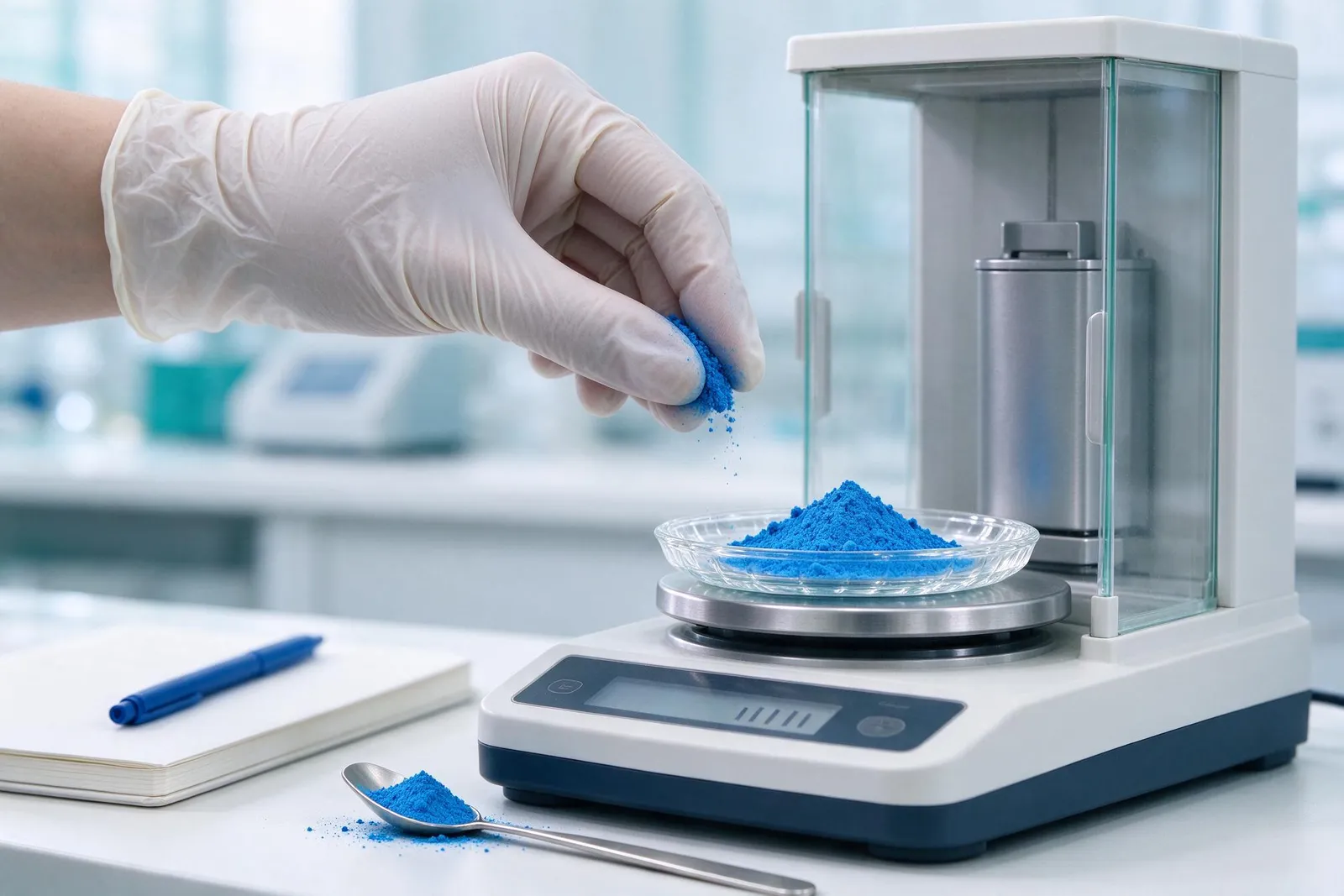
How to Audit a GHK-Cu Bulk Supplier: RP-HPLC Purity vs. UV Assay, Cu2+ Stoichiometry & COA Verification
Six technical checks for cosmetic buyers sourcing bulk GHK-Cu powder: why RP-HPLC chromatograms beat UV-Vis assays, verifying 10-16% Cu2+ stoichiometry, lab solubility tests, and SGS verification.
2026-04-02
What Is GHK-Cu (Copper Tripeptide-1)? Molecular Structure, Stoichiometry & Cosmetic Mechanism Guide
Complete technical guide to GHK-Cu (INCI: Copper Tripeptide-1): tridentate Cu2+ coordination chemistry, 1:1 vs 2:1 stoichiometry facts, CAS 49557-75-7 / 89030-95-5 specs, and cosmetic dosing.
2026-03-18